

What Is Rooftop HVAC?
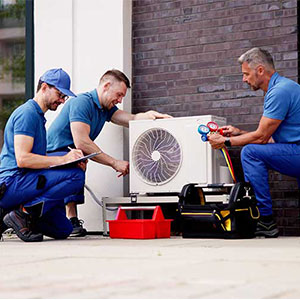
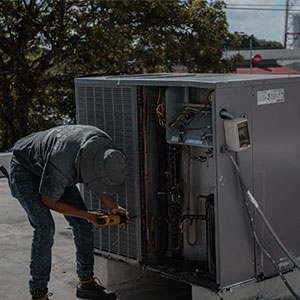
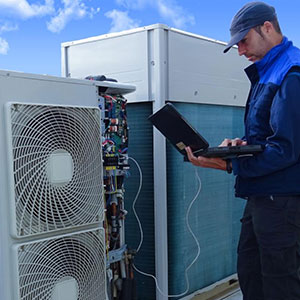
Rooftop HVAC systems, often referred to as RTUs (Rooftop Units), are self-contained heating, ventilation, and air conditioning systems designed to be installed on the roof of commercial buildings. These systems are ideal for large business owners, facility managers, and commercial property managers who need efficient, space-saving solutions for heating and cooling.
Rooftop HVAC units combine all essential components—such as compressors, coils, and fans—into a single package installed on the roof, freeing up valuable indoor space. The centralized design simplifies installation, reduces the need for extensive ductwork, and allows easy maintenance.
These systems suit large commercial buildings, office complexes, retail centers, and industrial facilities. Rooftop HVAC units are customizable, offering flexibility to meet requirements such as multi-zone temperature control and energy-efficient operation. They are designed to provide reliable and consistent heating, cooling, and ventilation year-round, ensuring occupants’ comfort and optimal air quality.
Benefits of Rooftop HVAC
Rooftop HVAC systems offer a range of benefits for large businesses, commercial property managers, and facility managers. From energy savings to reduced maintenance costs, these systems are designed to improve the overall efficiency and functionality of your building’s HVAC setup. Here’s how rooftop HVAC can benefit your property:
Energy Efficiency
Rooftop units are built with energy efficiency in mind, helping reduce operating costs. Modern RTUs have energy-saving features such as variable-speed fans, advanced temperature controls, and high-efficiency compressors. These systems consume less energy, which translates to lower utility bills and a smaller carbon footprint.
Space-Saving Design
By placing the HVAC system on the roof, rooftop units free up valuable indoor space. This is particularly advantageous for businesses that need to maximize floor space for operations, retail areas, or office workspaces.
Reduced Maintenance Costs
Because rooftop HVAC systems are designed to be self-contained and easy to access, maintenance is more straightforward and less expensive. Roof-mounted units are typically more durable, reducing the frequency of repairs. Plus, since they are off the ground, they are less exposed to dirt and debris, which can reduce the likelihood of breakdowns.
Easier Installation and Expansion
Installing a rooftop HVAC unit is often more straightforward and less invasive than other systems. The compact nature of RTUs means they take up less room inside the building, simplifying installation and reducing disruptions to your day-to-day operations. Additionally, if you need to expand your system to accommodate a larger building or a growing business, adding rooftop units can be done with minimal impact on existing infrastructure.
Improved Air Quality
Rooftop HVAC units help maintain indoor air quality by ensuring proper ventilation and efficient airflow. These systems effectively filter and circulate air throughout the building, removing pollutants, allergens, and moisture, contributing to healthier indoor environments for employees, customers, or tenants.
Customizable Zoning and Control
Many rooftop HVAC systems offer zoning capabilities, allowing for independent temperature control in different building areas. This flexibility helps to optimize comfort, ensuring that different spaces have the right temperature based on their specific needs (e.g., server rooms, conference rooms, or open office areas).
Reduced Risk of Equipment Damage
Because they are installed on the roof, these systems are less vulnerable to accidental damage from people, vehicles, or severe weather conditions. This can reduce the likelihood of expensive repairs due to impacts or environmental factors.
Commercial Rooftop HVAC Frequently Asked Questions
1. What types of buildings are best suited for rooftop HVAC systems?
Rooftop HVAC systems are ideal for commercial buildings, including office complexes, retail centers, industrial warehouses, and large business facilities. These systems work especially well for businesses that need to conserve indoor space and maintain efficient heating, cooling, and ventilation across large areas.
2. How long does a rooftop HVAC system typically last?
Proper maintenance means a rooftop HVAC unit can last 15 to 20 years. Regular servicing and timely repairs can extend the system’s lifespan and maintain its performance.
3. Are rooftop HVAC systems energy-efficient?
Many modern rooftop HVAC units are designed with energy efficiency in mind. They feature high-efficiency compressors, variable-speed fans, and advanced temperature controls, which help reduce energy consumption, lower utility costs, and minimize environmental impact.
4. How often does a rooftop HVAC system need maintenance?
Routine maintenance is recommended at least twice a year before the heating and cooling seasons start. Regular inspections and tune-ups help prevent breakdowns and ensure the system runs efficiently.
5. Can rooftop HVAC systems be integrated with existing building management systems (BMS)?
Yes, many rooftop HVAC units are compatible with building management systems (BMS), allowing for centralized control, monitoring, and optimization of HVAC functions. This integration enhances system performance and can help further reduce energy consumption.
6. How do I know if my rooftop HVAC system needs repair?
Common signs that your rooftop HVAC system may need repairs include inconsistent temperatures, unusual sounds, poor airflow, or increased energy usage. If your system frequently cycles on and off or fails to maintain the desired temperature, it’s time to call a professional.
7. Are there different sizes and configurations for rooftop HVAC systems?
Yes, rooftop HVAC systems come in various sizes and configurations to accommodate the specific needs of other buildings. Systems can be customized to suit your space’s square footage, layout, and unique requirements.
8. Can rooftop HVAC units handle extreme weather conditions?
Rooftop HVAC systems are designed to withstand various weather conditions, including heavy rain, snow, and extreme temperatures. However, it’s important to ensure the system is properly installed and maintained to avoid potential weather-related issues.
9. Do you offer 24/7 emergency rooftop HVAC repair services?
Yes, we offer emergency repair services for rooftop HVAC systems. If your system experiences a breakdown outside of regular business hours, our technicians can quickly address the issue and minimise downtime.
10. How much does it cost to install a rooftop HVAC system?
The cost of installing a rooftop HVAC system can vary depending on the size of the building, the type of system needed, and any additional features or customization required. The cost typically includes equipment, installation, and any necessary modifications to your building. We recommend scheduling a consultation to assess your needs and provide a tailored quote for a more accurate estimate.
Contact Us For Rooftop HVAC
Ready to upgrade your building’s HVAC system? Whether you’re interested in a new rooftop HVAC installation, maintenance services, or emergency repairs, Densel Company is here to help. Our expert technicians specialize in rooftop HVAC solutions that are energy-efficient, cost-effective, and tailored to your business’s needs.